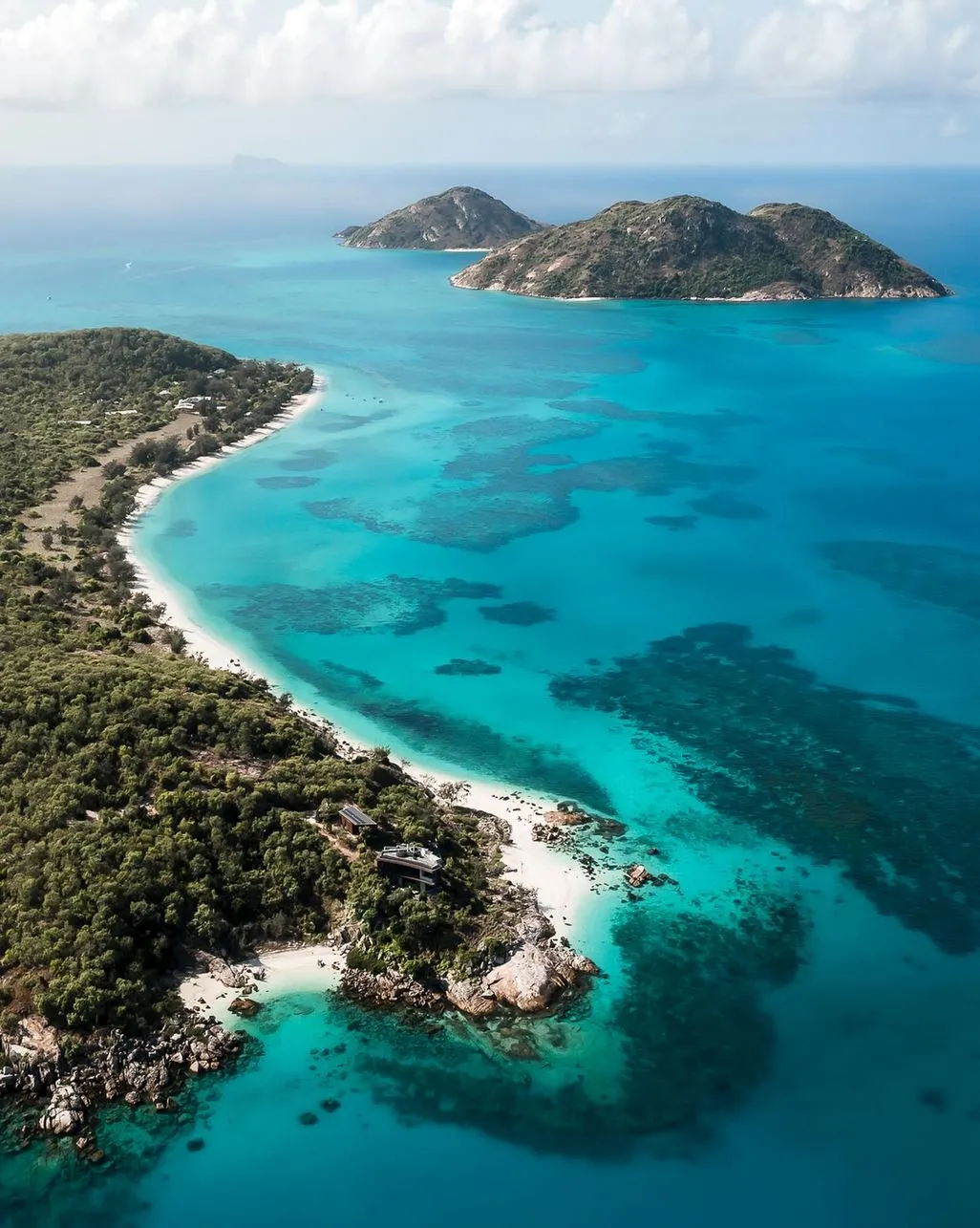
Trying to figure out Which Reef Has The Clearest Water In Queensland is a question I get asked dry season after dry season, usually as soon as I step off the boat and get my first glimpse of the Great Barrier Reef shining through the surface. And honestly, fair dinkum – it’s a question worth asking, especially if you’re heading out to one of the world’s most incredible coral reef systems. You want to be able to spot marine life swimming between coral formations from 20 metres off, and out here, it’s not just a matter of luck – it’s a combination of tides, distance from shore, Coral Sea currents, coral growth, and how well the local reef system manages to avoid the dirty water that comes from Tropical North Queensland’s river mouths.
Why Offshore Reefs Generally Stay Pristine
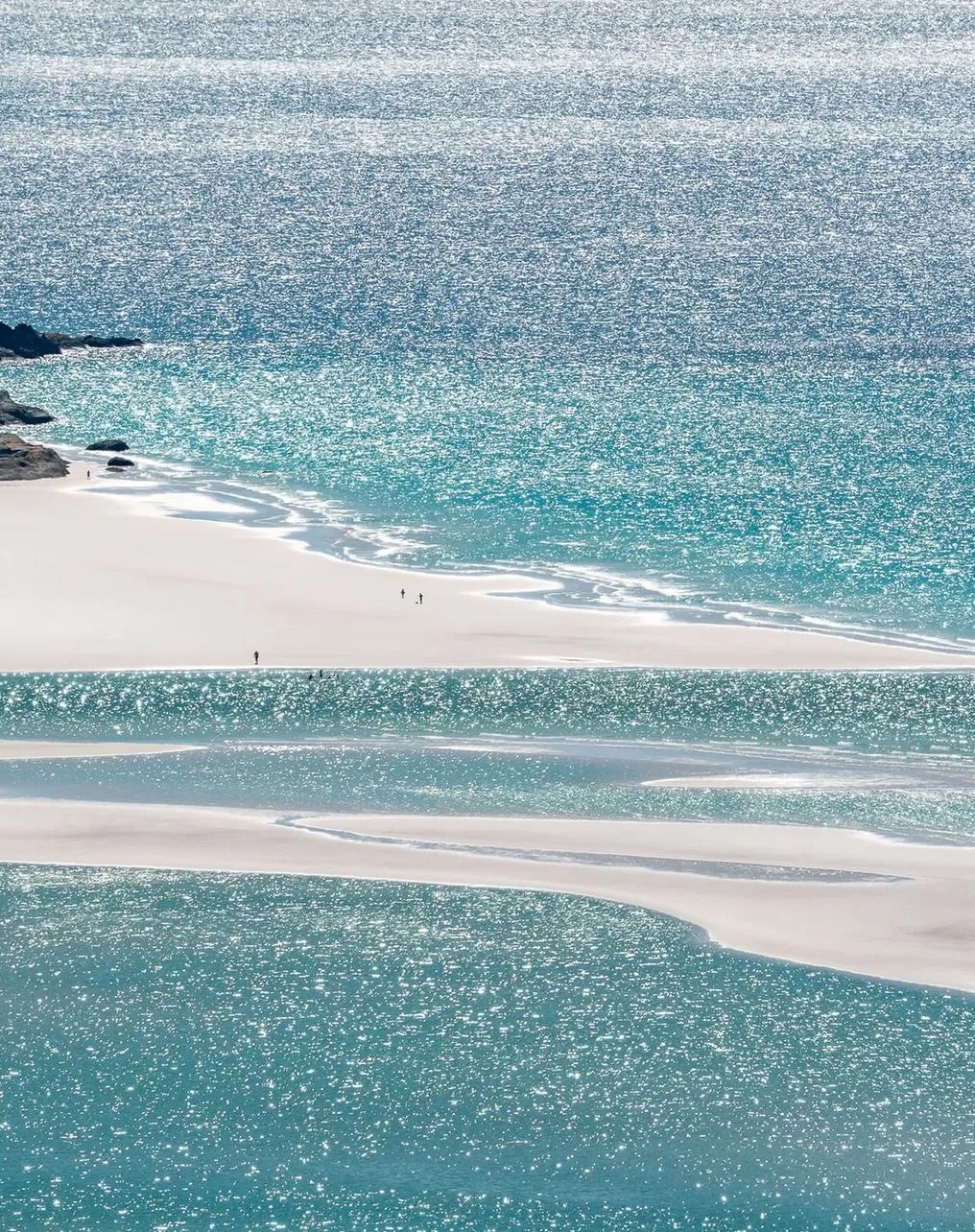
The Outer Reef sites are where you’ll find the clearest water in the Great Barrier Reef. They’re a fair distance from all the river systems and coastal runoff that bring in sediment and muck up the water, making them the perfect home for thriving coral reefs, healthy coral polyps, and all the marine life that relies on good water quality to survive. These offshore zones are where the marine biologists come to record some of the best coral cover anywhere in the Marine Park.
I still remember my first trip from Lizard Island to the Ribbon Reefs – the water was so clear I could spot a turtle swimming through the soft corals from our deck. That level of clarity isn’t just a fluke out here; it’s built into the very fabric of the Coral Sea’s geography, currents, and depth.
Ribbon Reefs Near Lizard Island: The Visibility King
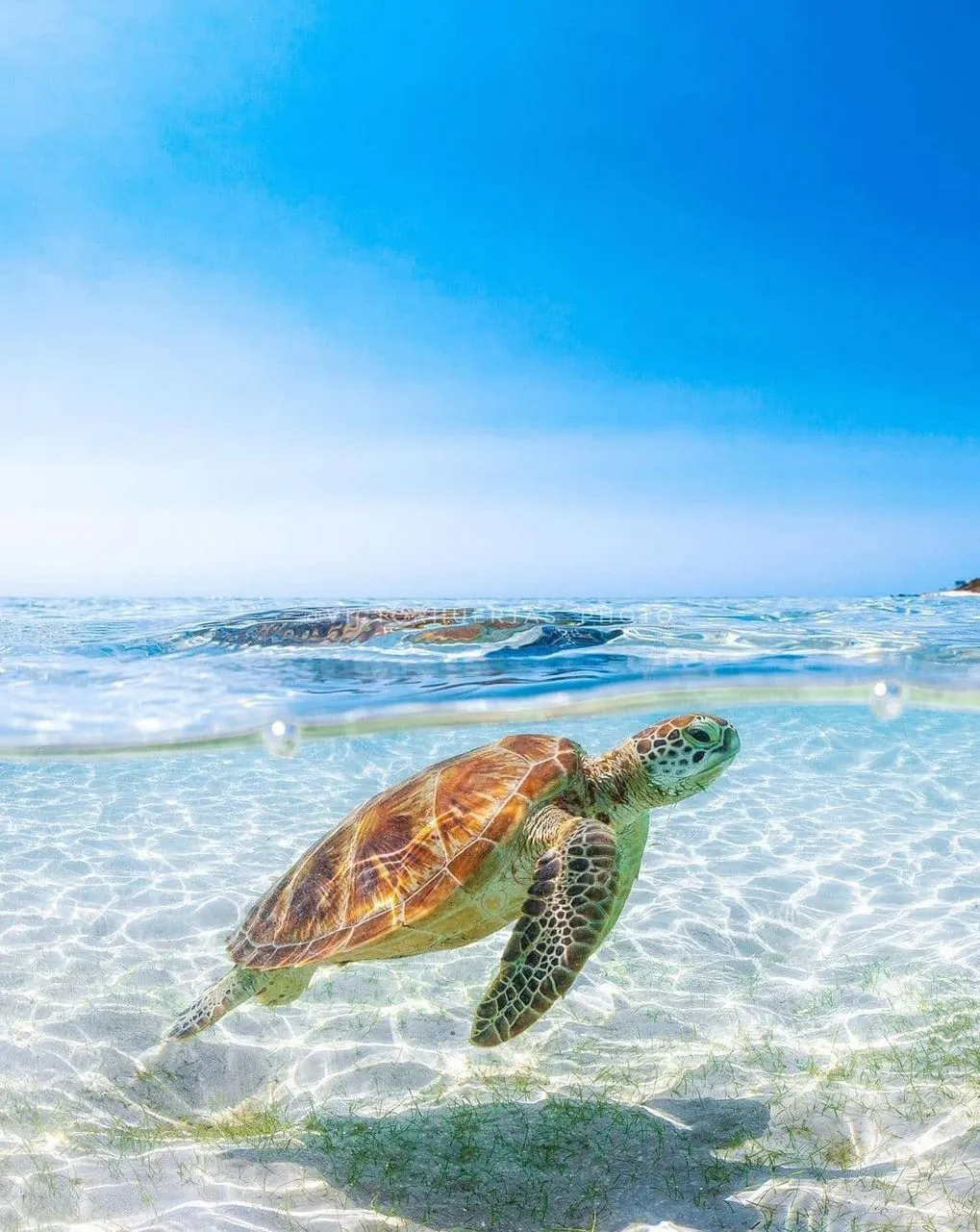
If I had a quid for every time I’ve been asked where to find the clearest water in Queensland, I’d be a rich man by now – but if I had to pick just one place, it would be the Ribbon Reefs. They sit right on the edge of the continental shelf, where the deep ocean water sweeps past the coral formations without disturbing them, and it’s no wonder that the underwater camera crews and Master Reef Guides all flock here during minke whale season.
- 25-40 metres of visibility on a good day
- Some of the healthiest hard and soft corals you’ve ever seen
- Minimal sediment in the water
- A dazzling array of marine life, including reef sharks, rays and the Great Eight
These reefs offer some of the best scuba diving visibility in all of Queensland – and the Coral Sea tends to keep things tidy even when the weather is being a bit rough elsewhere.
Cairns–Port Douglas Outer Waters Guide
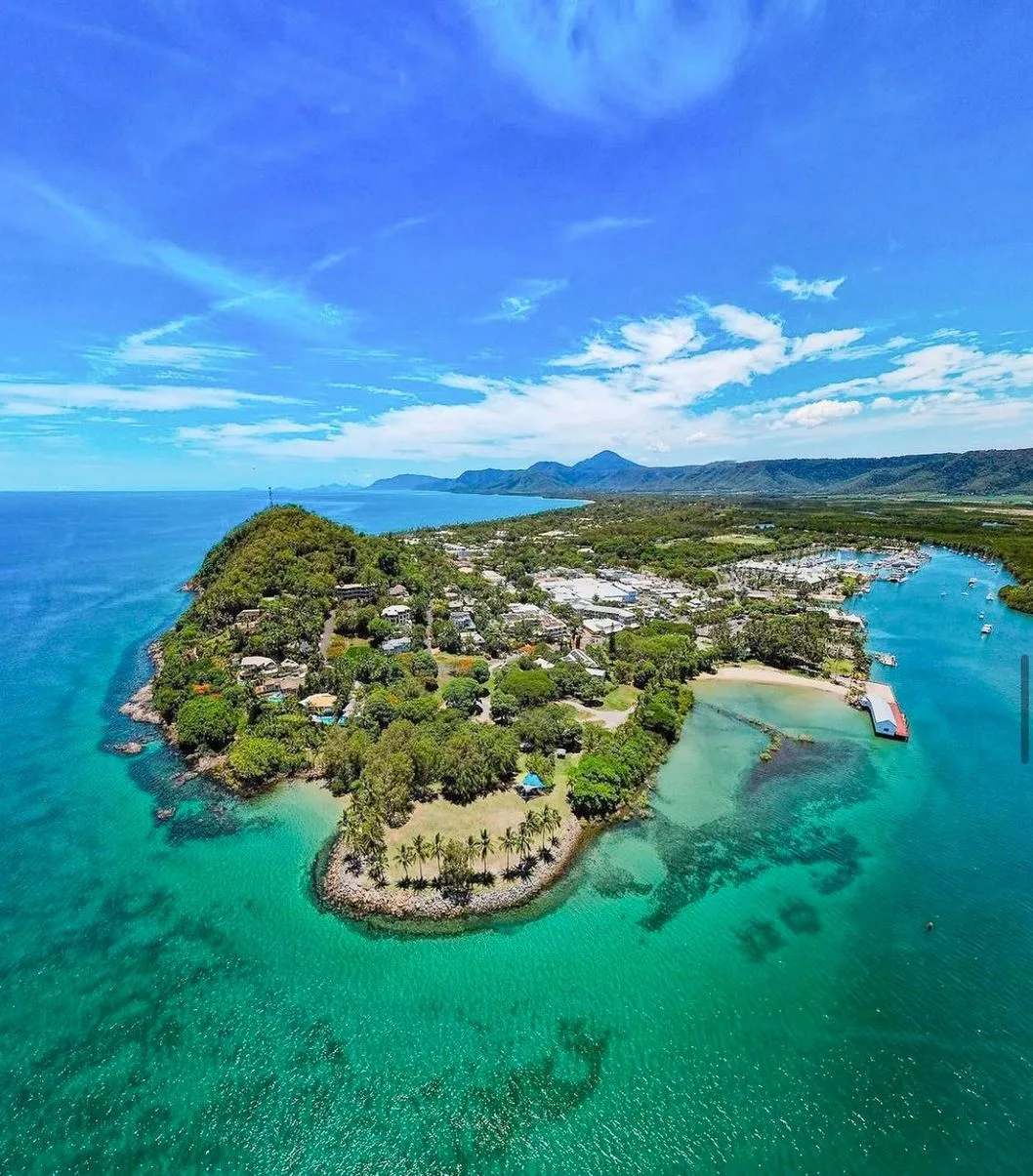
The Outer Reef, which you can get to via Cairns Airport or a quick boat ride from Palm Cove or Port Douglas, consistently delivers some of the best clarity in Tropical North Queensland. Once you reach reef systems like Hastings, Saxon, or Norman, you’re in the middle of a big patch of ocean water that’s got nothing to do with all the runoff from the coast.
- 15-30 metres of visibility during the dry
- Some fantastic coral growth and formations
- Loads of marine species to check out
- Snorkelling conditions that are as clear as a bell, which is why all the ecotourism operators love them so much
If you’re on a Great Barrier Reef tour and you want to know you’re going to see some good visibility without having to go all the way to the Ribbon Reefs, the Outer Reef is your best bet.
Lady Elliot Island: Queen of the Southern Reef
Lady Elliot Island, a coral cay wedged into the Southern Great Barrier Reef, has clarity on tap all year round, thanks in large part to its isolation from land and the absence of rivers to muddy the waters. This results in a lagoon that is a marine paradise for turtles, coral reefs and the like, and its waters are tightly protected under the Great Barrier Reef Marine Park Act.
- Visibility of up to 30 metres most of the year (though that can vary a bit) and a year-round haven for all sorts of marine critters
- Manta rays cruising through coral cleaning stations
- A coral ecosystem teeming with marine life of every shape and size
- Safety first when it comes to snorkelling and scuba diving – shallow and deep waters both offer safe conditions
If crystal clear waters and a good chance of spotting heaps of marine life are your top priorities, then Lady Elliot Island is well worth a look.
Heron Island and Wistari Reef: The Clear Choice
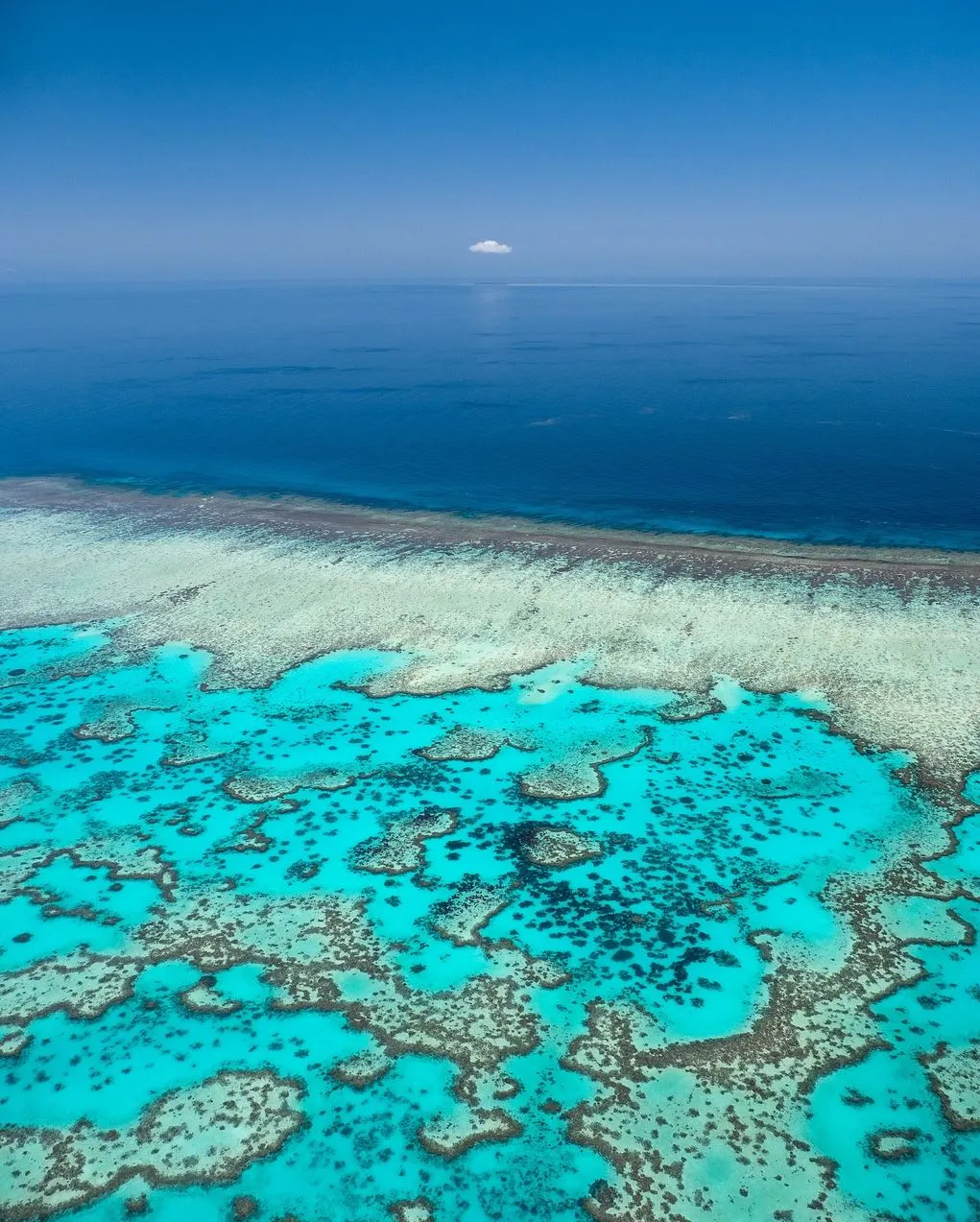
Heron Island, part of the Southern Great Barrier Reef, is a real gem – stunning coral reefs and clear waters surround it with some of the highest coral cover in the region. Nearby Wistari Reef is just as impressive, with visibility that rivals some of the Northern reef systems.
- Visibility of up to 25 metres
- Coral reefs are just bursting with marine life
- Chances of spotting marine turtles are pretty much guaranteed
- A coral ecosystem that is stable and thriving, with no mainland runoff to spoil the party
This place is also a favourite among marine biologists, and it has coral monitoring programs.
How Weather and The Seasons Affect Your View
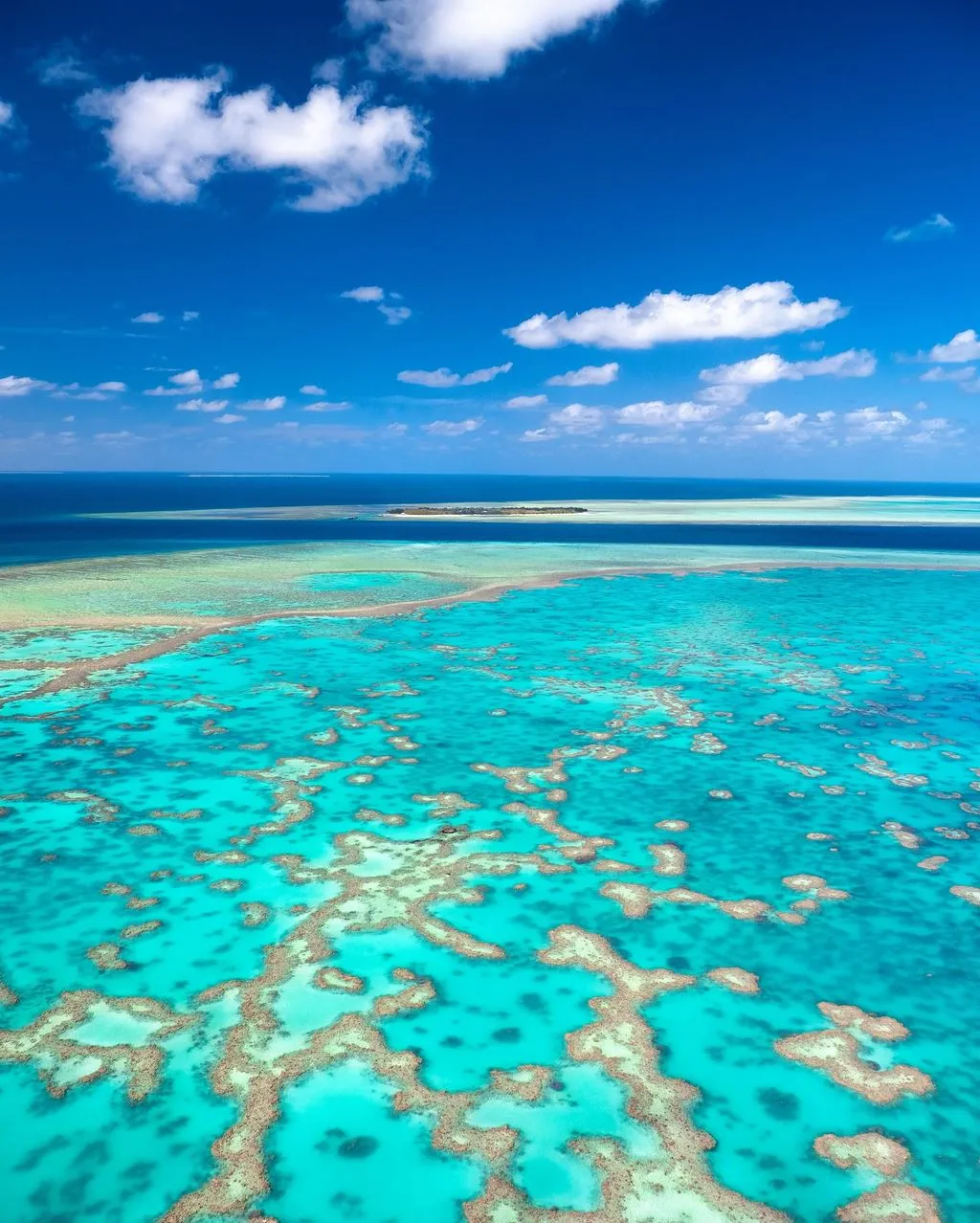
Queensland is never going to be predictable when it comes to the weather – we get some wild curveballs. Conditions around the Great Barrier Reef, especially fringing reefs near the coast, can change with tides, storms, and seasons.
- Wind speed and direction: If you get southeasterlies, you can expect sediment to start stirring on the shallow reef flats.
- River runoff: Particularly in the Northern part of the state, where heavy rain can really mess with the waters around Fitzroy Island, Green Island and the Frankland Islands.
- Cyclone activity: Although a pain, cyclones tend to knock the clarity out of multiple reef systems temporarily.
- The dry season: During this time, you can usually expect lighter winds, less rainfall and calmer Coral Sea conditions – all of which help with crystal clear visibility
Coral bleaching is a real worry for the reef, but while it doesn’t directly impact visibility, it can make coral formations look less vibrant underwater.
Table: Average Visibility By Reef Region (Approximate Data)
(Visibility ranges below are variable as of 2025 and based on long-term diver logs, marine science reports, and local Reef tour operators.)
| Reef Region | Typical Visibility Range | Best Season | Notes |
|---|---|---|---|
| Ribbon Reefs (Lizard Island) | 25–40 m | May–Oct | Deep Coral Sea flushing = exceptional clarity |
| Outer Reef (Cairns/Port D.) | 15–30 m | Jun–Nov | Consistent visibility on Scuba Diving trips |
| Lady Elliot Island | 20–30 m | Apr–Oct | Coral Cay structure reduces sediment |
| Heron & Wistari Reefs | 15–25 m | May–Oct | Strong coral cover and marine biodiversity |
| Inshore Reefs | 3–10 m | Highly variable | Impacted by river systems and rainfall |
The Inshore Conundrum: Easy Access vs Lower Visibility
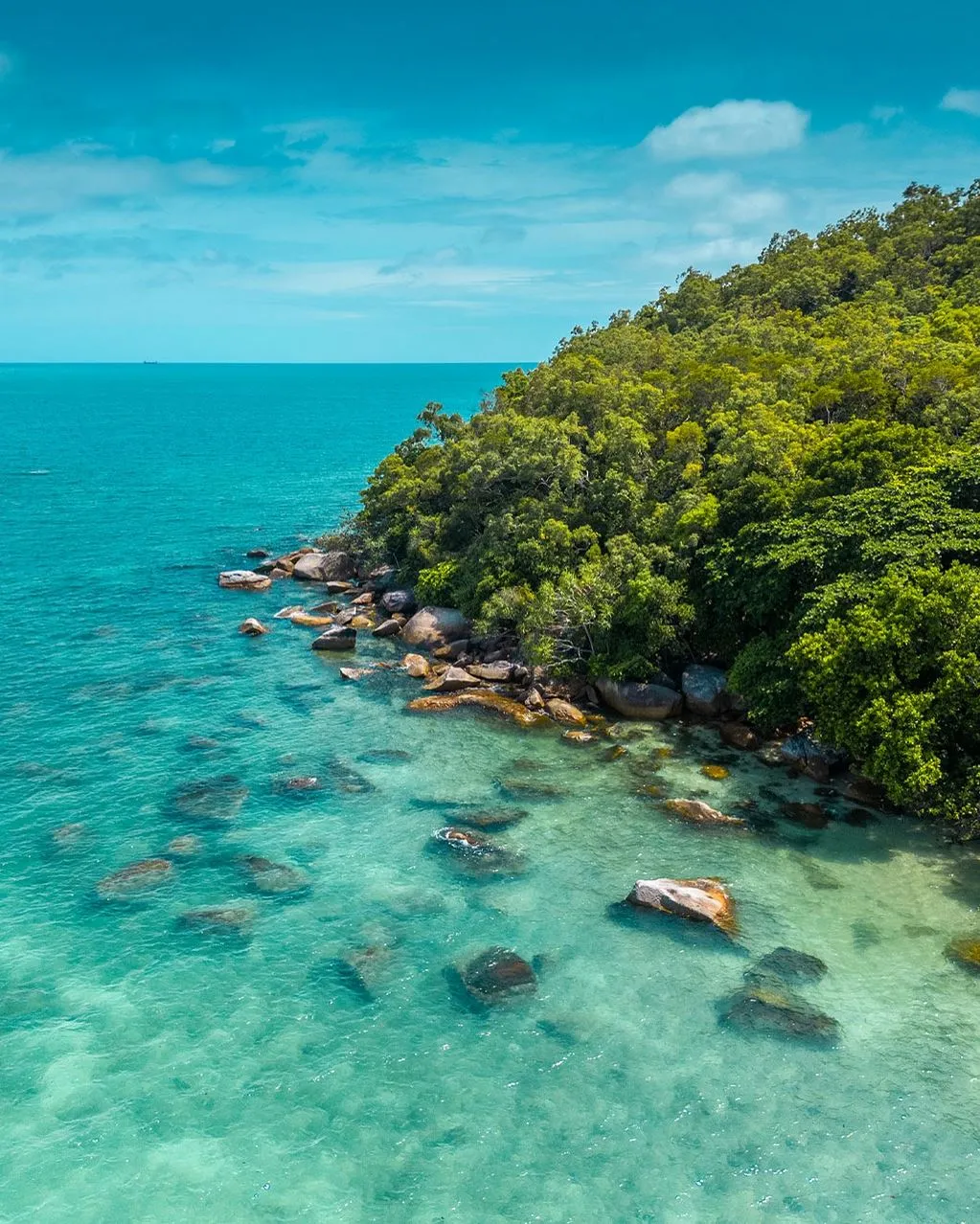
The inshore reefs of the Great Barrier Reef, with its picturesque spots like Fitzroy Island, Green Island, and the Frankland Islands, is undeniably beautiful – but more often than not, it falls short in clarity compared to the open waters out at sea. The fringing reefs in these areas are precariously close to the mouths of mainland rivers, which means sediment, plankton blooms, and an endless stream of marine debris constantly batter them.
Of course, there are still going to be great snorkelling days – especially during prolonged dry spells – but don’t go thinking that these coastal pockets somewhere somehow represent the whole of the world-heritage listed reef system.
Gear and Timing Tricks to Make the Most of Your Visibility
Over the years, I’ve had the chance to team up with ecotourism operators, expert Master Reef Guides and marine science teams – and I reckon that’s given me a few valuable tips on how to get the most out of a day exploring the reef with crystal clear visibility.
Catch the Morning
Conditions are generally much calmer and clearer first thing in the morning.
Timing is Everything
Dry season is the best time to book your reef trip, for reasons that include:
- A whole lot less chance of choppy Coral Sea conditions
- Lower rainfall
- Much lower levels of sediment and debris in the water
Get Yourself a Good Camera
A polarised underwater camera lens comes in handy for cutting glare and improving colour accuracy – especially on bright, hard corals.
Avoid Post-Rainfall Weeks – Particularly Around Fringing Reefs
Reefs closest to the coast tend to get hammered by runoff after a rainstorm – so try to avoid these areas for a while
The One Place I Trust for Truly Clear Water
If I were pushed to pick one reef system in the whole of Queensland that stands out for its crystal clear waters, it would have to be the Ribbon Reefs. The Coral Sea flushing, depth, coral growth and sheer concentration of marine species here mean that visibility is almost always high, to put it mildly.
But if I had to pick some close runners-up, the Outer Reef off Cairns and Port Douglas, along with Lady Elliot Island and Heron Island, would be right up there. These spots are all local favourites among operators like Great Barrier Reef Tours, who have spent years learning the best spots to visit on any given day.
FAQ
Are offshore reefs always clearer than fringing reefs?
Yeah, they generally are. Fringing reefs near the coast tend to get a bit muddied up by sediment and runoff, while the Outer Reef system stays relatively pristine thanks to the Coral Sea’s currents.
When is visibility at its highest?
June to October – you can bet your bottom dollar that the stable weather of the dry season will result in crystal clear visibility across the whole of the Great Barrier Reef.
Does coral bleaching reduce clarity?
Not directly, no. It’s the coral itself that bleaches, not the water.
Can snorkellers see as clearly as divers?
Absolutely – shallow coral reefs are some of the best spots to see marine life up close and personal, and the visibility is often just as good as it is for divers.
Which reef offers the best chance to see marine turtles in clear water?
Marine turtles are commonly seen at Heron Island and Lady Elliot Island – the clear waters make it the perfect spot for doing so.