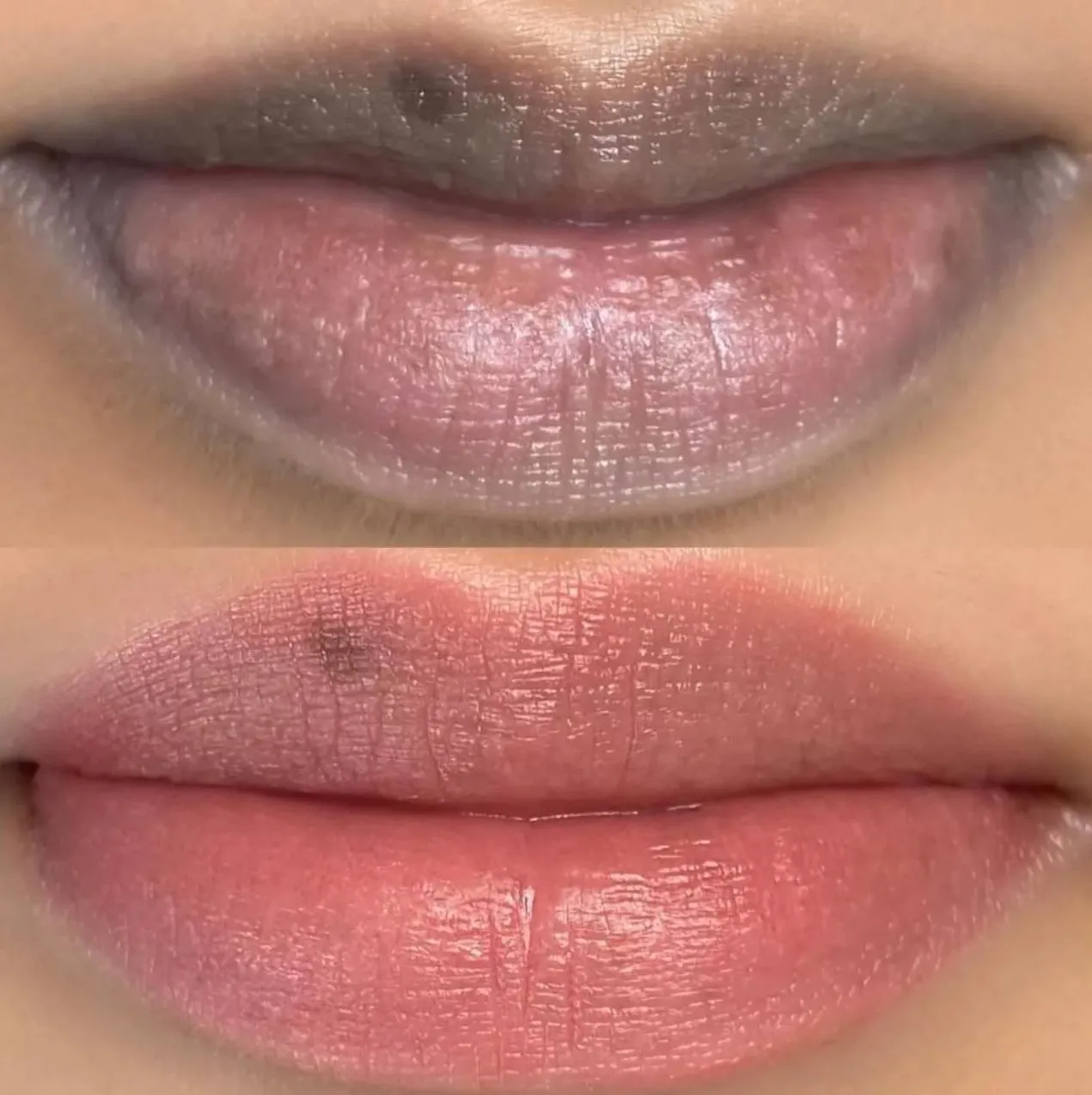
Lip neutralization is more than a cosmetic tattoo—it’s a specialized process that corrects uneven pigmentation by targeting cool or darker tones and changing them into a lighter lip tone. Clients often get lip neutralization to restore their natural lip colour or to achieve a more even, vibrant look without having to wear lipstick every day.
Lip neutralization is a cosmetic procedure that corrects darker tones or cool tones in the lips by gradually bringing them to a lighter lip tone or more even, natural lip colour. This popular procedure is great for clients who want to balance their lip colour and get a softer version of their natural lip colour or even a vibrant colour depending on their desired enhancement. While the results can give you a beautiful enhancement colour and even a subtle blush, mild to moderate swelling is part of the healing process.
Understanding what to expect in the healing period and how to take care of your lips post procedure can make all the difference in having a smoother, quicker healing. In this guide, we’ll go through expert tips to reduce swelling, aftercare instructions for different skin types and how to minimize the risks of lip neutralization such as cold sores, loss of pigment and skin irritation.
1. Apply a Cold Compress

Using a cold pack or a clean tissue wrapped around an ice pack can be one of the most effective ways to manage swelling in the first few hours after treatment. Apply the compress in intervals—10 minutes on, 10 minutes off. Don’t apply ice directly to the lip skin to prevent irritation or damage to fragile skin and healing tissue. A cold compress constricts blood vessels, reducing inflammation and encourages lymph fluid to drain efficiently.
2. Elevate Your Head and Don’t Lie Flat
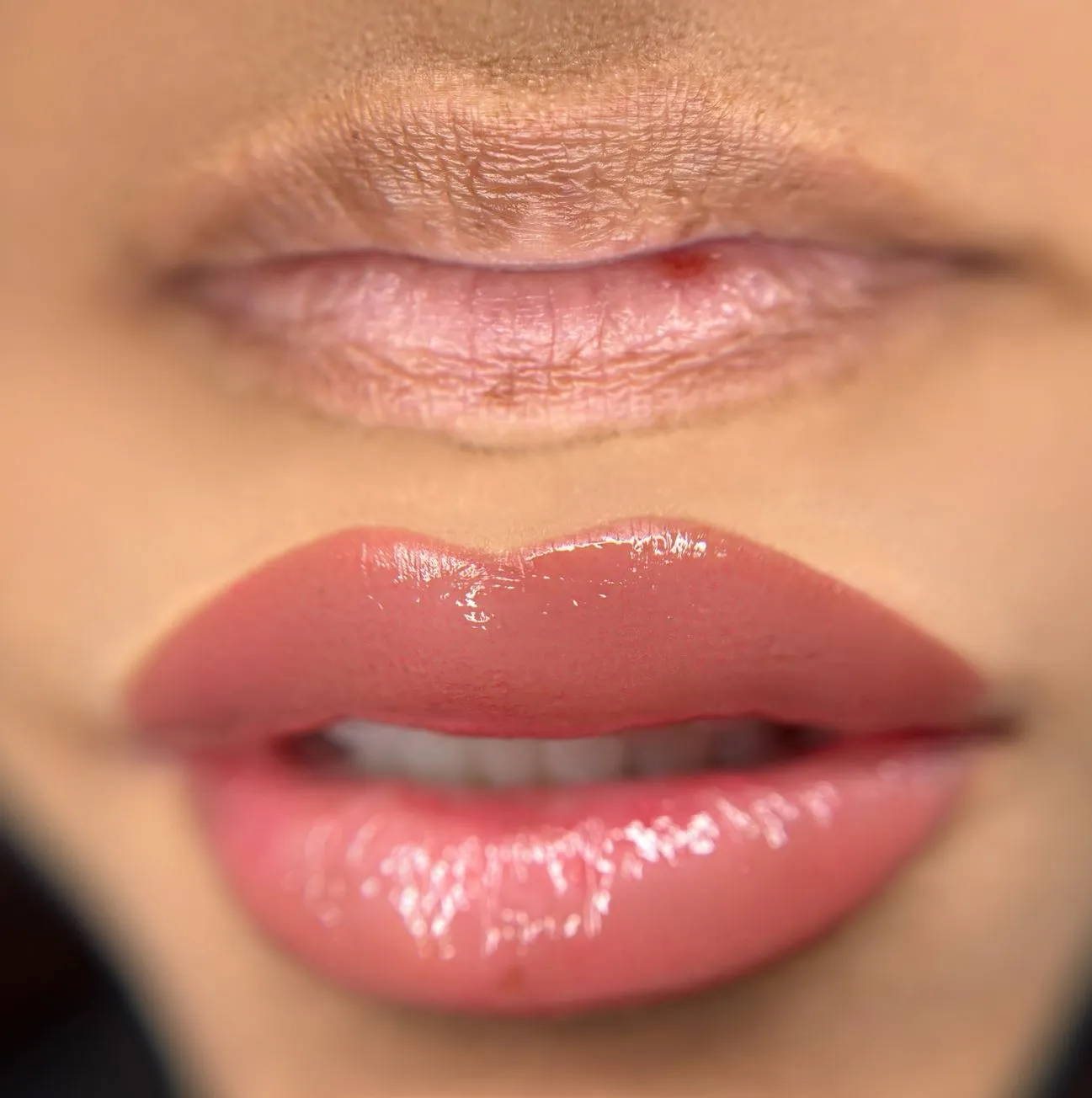
Elevate your head for the first 48 hours, including the night before bed. Use an extra pillow to reduce blood flow to the lips and support faster healing. This position also helps prevent fluid retention around the lip tissue which causes swelling.
3. Be Careful with Contact
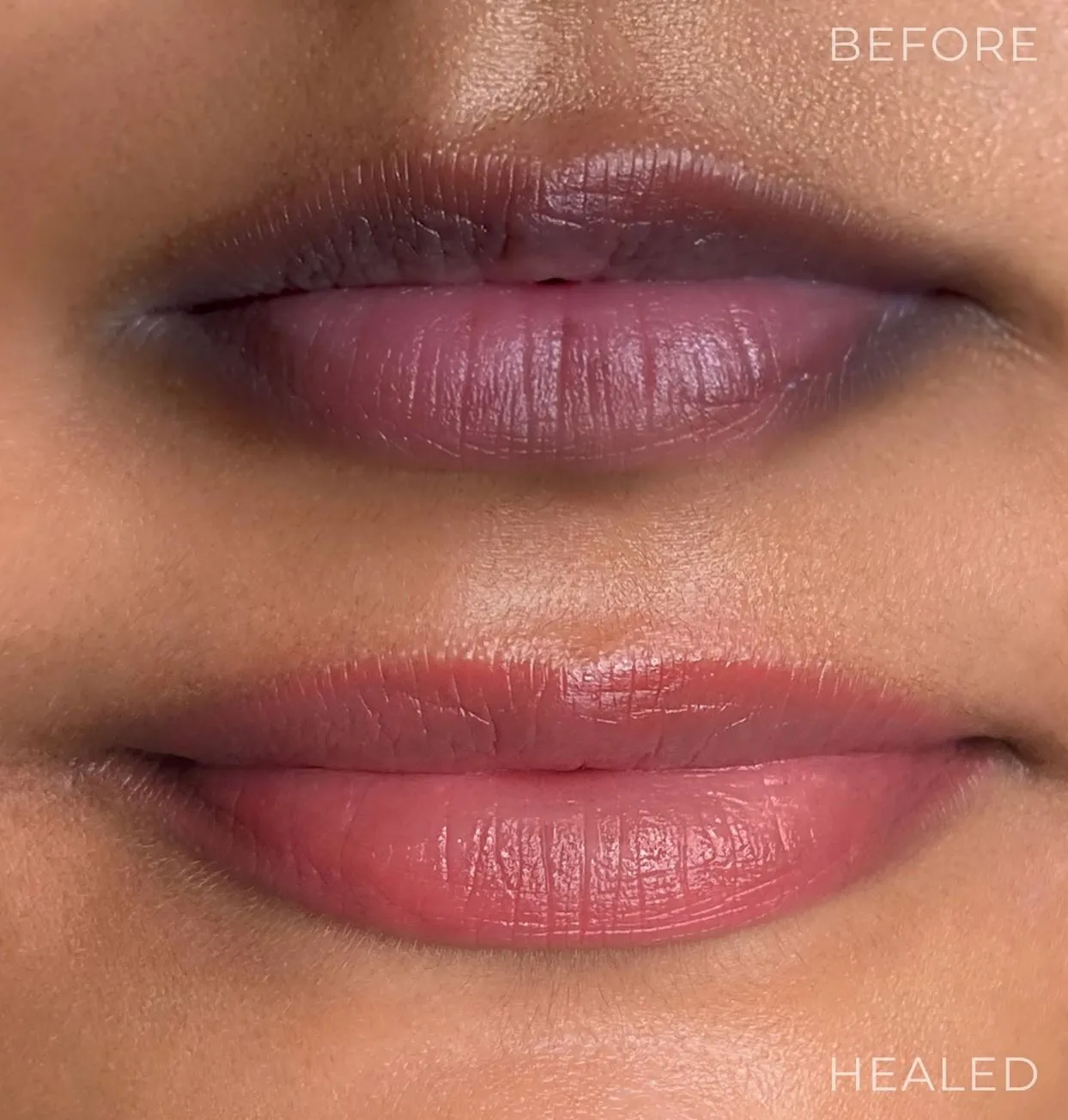
Your lips will be most delicate after the initial session. Avoid touching the lip surface unless necessary and if you must, only use a clean finger or a dry cotton bud. This reduces the risk of infection and supports wound healing. Don’t rub or press your lips and avoid kissing or any unnecessary friction.
4. Drink Lots of Water and Avoid Salt
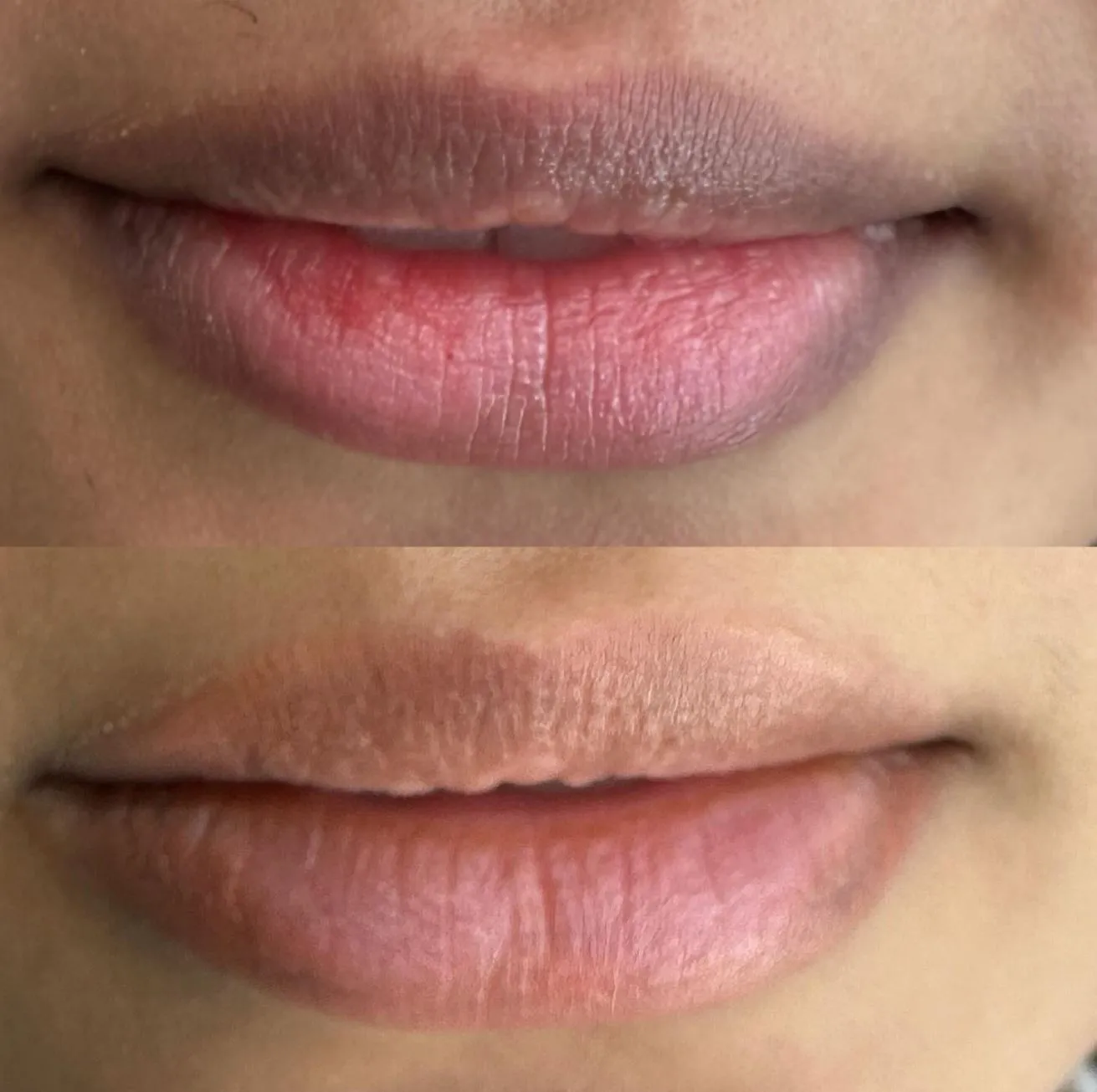
Hydration is part of the natural healing process. Drinking water helps flush out toxins and heal the skin. Avoid salty foods, cider vinegar and spicy dishes. These will irritate the lip skin and slow down recovery.
5. Follow Custom Aftercare Instructions
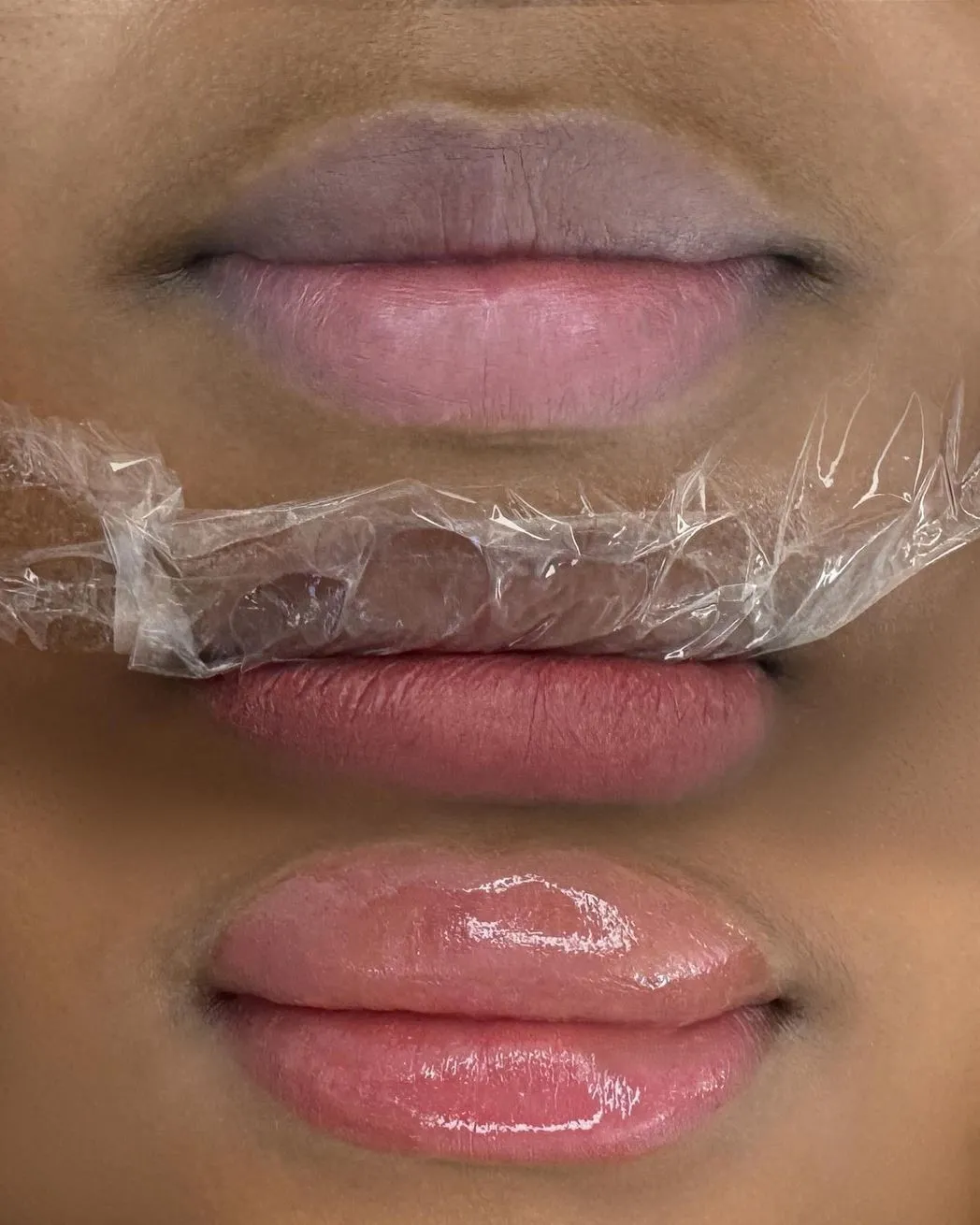
Your technician will give you custom aftercare instructions based on your skin type—oily skin, dry skin, sensitive skin, mature skin etc. This individual care will help minimize swelling and prevent complications like loss of color, skin irritation, and slower pigment retention.
General aftercare instructions include:
- no chlorinated pools
- no sun exposure or direct sun exposure
- no chemical treatments like a chemical peel
- no hot baths or steam rooms
- no injectable treatments
6. Apply Aftercare Balm
Healing balm, aftercare balm, lip ointment or lip butter should be applied several times a day using a clean cotton bud. These products will protect the lip surface from bacteria and keep it moisturized. Do not use harsh products not recommended by your technician. Using the wrong product can interfere with color pigment setting and increase sensitivity to pain.
7. Avoid Alcohol and Caffeine
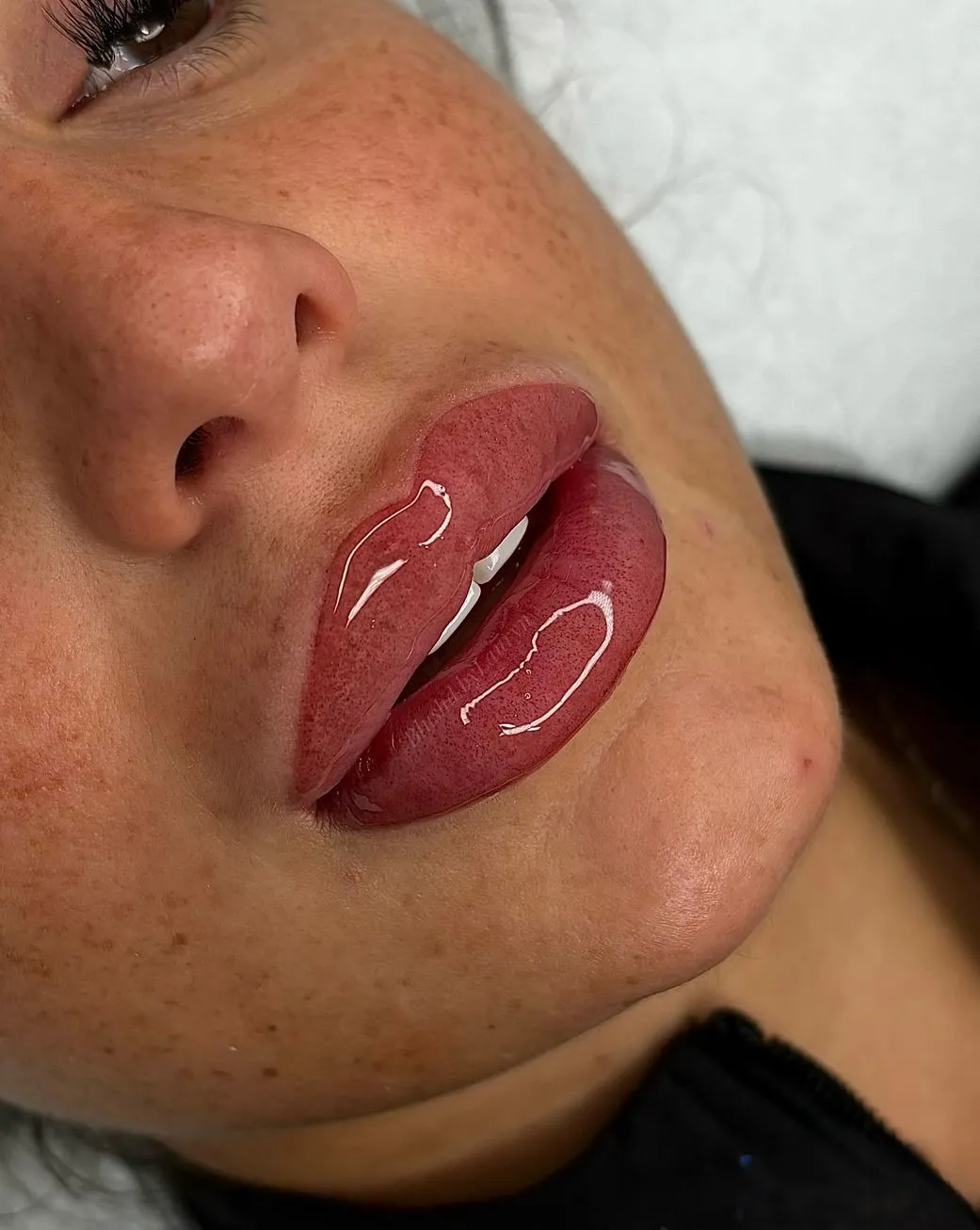
These substances increase blood flow which can prolong swelling and discomfort. Avoid alcohol and caffeine for at least 24-48 hours after treatment. This will also help with your hydration levels and support healing skin.
8. Normal Healing and Infection
After a lip blush tattoo, swelling, tightness and a slight change in lip colour are all part of the healing process. But signs of infection like yellow discharge, pain that worsens over time or heat in the area should be taken seriously. If you notice these symptoms, contact your technician or a medical professional immediately.
Common reactions in the hours after treatment:
- Mild swelling
- Lip color appears brighter or darker than the expected true color
- Lymph fluid weeping (gently dab with a damp cotton pad or clean tissue)
9. Plan for the Full Healing Period
The healing period is usually 7-14 days, depending on your skin type and how well you follow aftercare instructions. Healing of wounds happens in stages. Initially the lip color may appear darker or bolder than expected. This is normal. As the skin heals and scabs lightly, the color may seem to disappear (loss of pigment). Over time the true color or target color will reveal itself. Some clients need a perfecting session to settle the color, fill in subtle color areas or deepen the color in certain areas. Lip neutralization and lip blush appointments often require neutralization sessions spaced out over weeks.
10. Protect Your Lips from Environmental Stressors
Your lips are more sensitive during the healing period. Avoid sun, wind and environmental pollutants. Use a scarf in cold weather and avoid overheating or over-air con, both of which dry out the lip skin. Sleep on a clean pillowcase to stop bacteria transferring onto healing lips.
11. Understand the Impact of Lifestyle and Pre-Treatment Choices
Before your lip procedure avoid blood thinners, alcohol and caffeine. These can affect swelling and pigment retention. Discuss any medications like antiviral medication for cold sores with your technician before your initial procedure. Clients with a history of cold sores are often advised to start antiviral medication several days prior to treatment to prevent outbreaks.
Also, avoid using your favourite lipstick or everyday lipstick during the healing phase. These products can interfere with colour pigment absorption and introduce bacteria to the healing site.
12. Trust the Natural Healing Process
Healing is not linear. Some days your lips may feel more sensitive or look uneven in colour. This is all part of the process. Trust the aftercare instructions and let your body do its thing and settle the pigment and regenerate the healing tissue.
With plenty of experience in the industry, trained professionals understand lip tissue, skin level and colour correction, so your enhancement colour will complement your natural colour for a soft and subtle blush.
FAQ
How long does swelling last after lip neutralization?
Swelling typically lasts 24-72 hours post procedure. If you have sensitive skin or cool tones you may experience more puffiness depending on your skin type and healing process.
Can I use lip balm or lip butter during healing?
Yes, as long as it’s a healing balm or aftercare balm approved by your technician. Apply with a clean finger or dry cotton bud to avoid contamination.
What if I get cold sores after my treatment?
Cold sores can appear due to trauma to the lip tissue. If you have a history of cold sores you should take antiviral medication as directed. If cold sores develop after the procedure, contact your technician for care instructions.
Are there risks of lip neutralization I should be aware of?
Yes. These can include swelling, sensitivity to pain, skin irritation, temporary loss of pigment or signs of infection. But these can be minimized with proper care instructions and professional treatment.
Can I wear my favourite lipstick or lip colour after the treatment?
Don’t apply any cosmetic products during the healing period. Wait at least 7-10 days or until your artist confirms your lips are fully healed. Applying lipstick too soon can interfere with colour heal and increase the risk of infection.