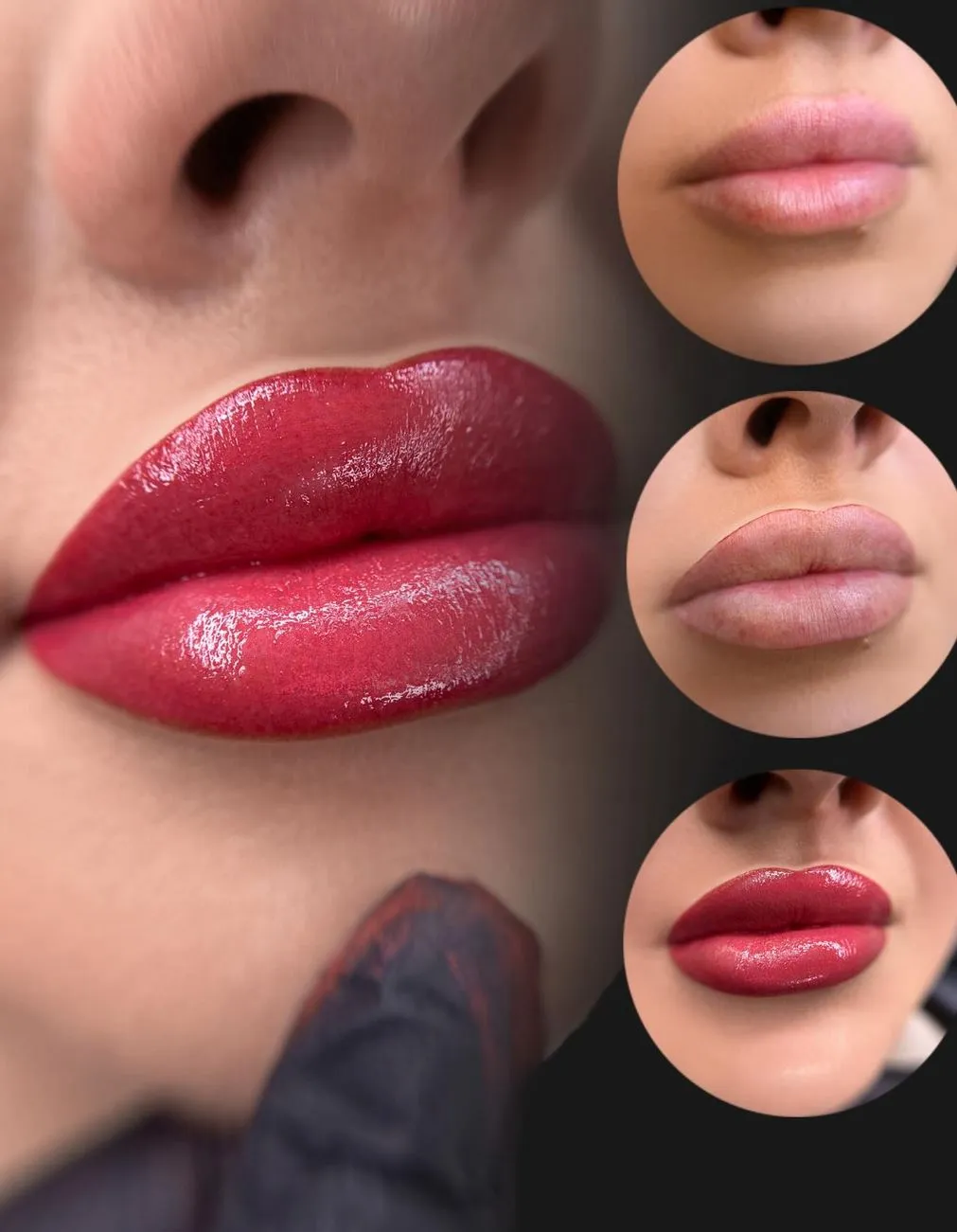
We get asked “What’s the difference between cosmetic ink and tattoo ink?” almost every day. It’s a great question — and the answer can make or break how your results age, heal and look in 5 years’ time. This isn’t just a colour conversation; it’s about skin safety, pigment science and realistic expectations in cosmetic tattoo work.
If you’ve ever sat in our Brisbane studio debating whether to book in for brows, lips or eyeliner, chances are you’ve heard us talk about pigments. We’ve been working with different cosmetic tattoo pigment formulations for over 15 years across Europe and Australia, seeing how they behave on every skin type in Brisbane’s hot summers and cool winters. Today we’re breaking it down so you can book your next cosmetic tattooing procedure with confidence.
The Main Differences
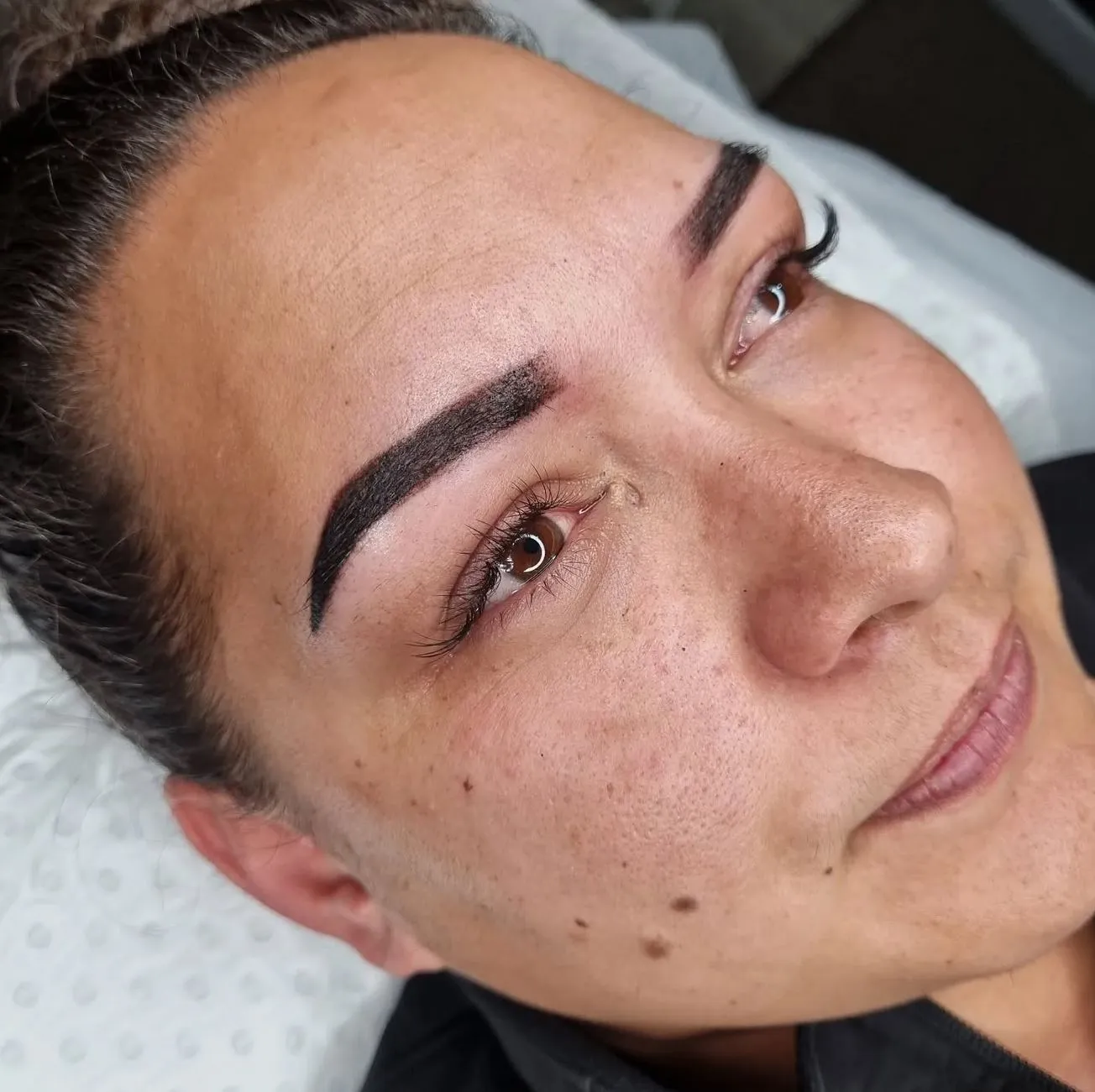
Cosmetic tattoo inks and traditional tattoo inks may look similar in a bottle, but they’re designed for completely different purposes. In our work at Cosmetic Tattoo Studio Brisbane Face Figurati, cosmetic pigments are formulated to fade naturally and blend with your skin tones, while traditional inks are designed for bold, permanent saturation.
Key differences include:
- Particle size (pigment particles): Cosmetic pigments have smaller, more refined particles for a softer, natural finish.
- Carrier solutions: Cosmetic pigments often use skin-safe carriers like glycerin; traditional tattoo inks may use alcohol or witch hazel.
- Longevity: Cosmetic pigments are semi-permanent (2-5 years), traditional inks are permanent.
- Colour stability: Cosmetic pigments are designed to fade evenly; traditional inks can last decades but may blur or shift colour over time.
- Composition: Many cosmetic pigments use iron oxide, organic pigments or lake pigments; traditional inks can contain heavier, long-lasting colour additives.
| Feature | Cosmetic Pigments | Traditional Tattoo Inks |
|---|---|---|
| Primary Use | Brows, lips, eyeliner, scalp | Body art, decorative tattoos |
| Longevity | 2–5 years | Permanent (decades) |
| Colour Fade | Soft, even fade | Possible blurring or colour shift |
| Particle Size | Fine pigment particles | Larger particles |
| Removal | Easier to lighten | Difficult, may require laser |
Why Cosmetic Pigments Are Better for the Face
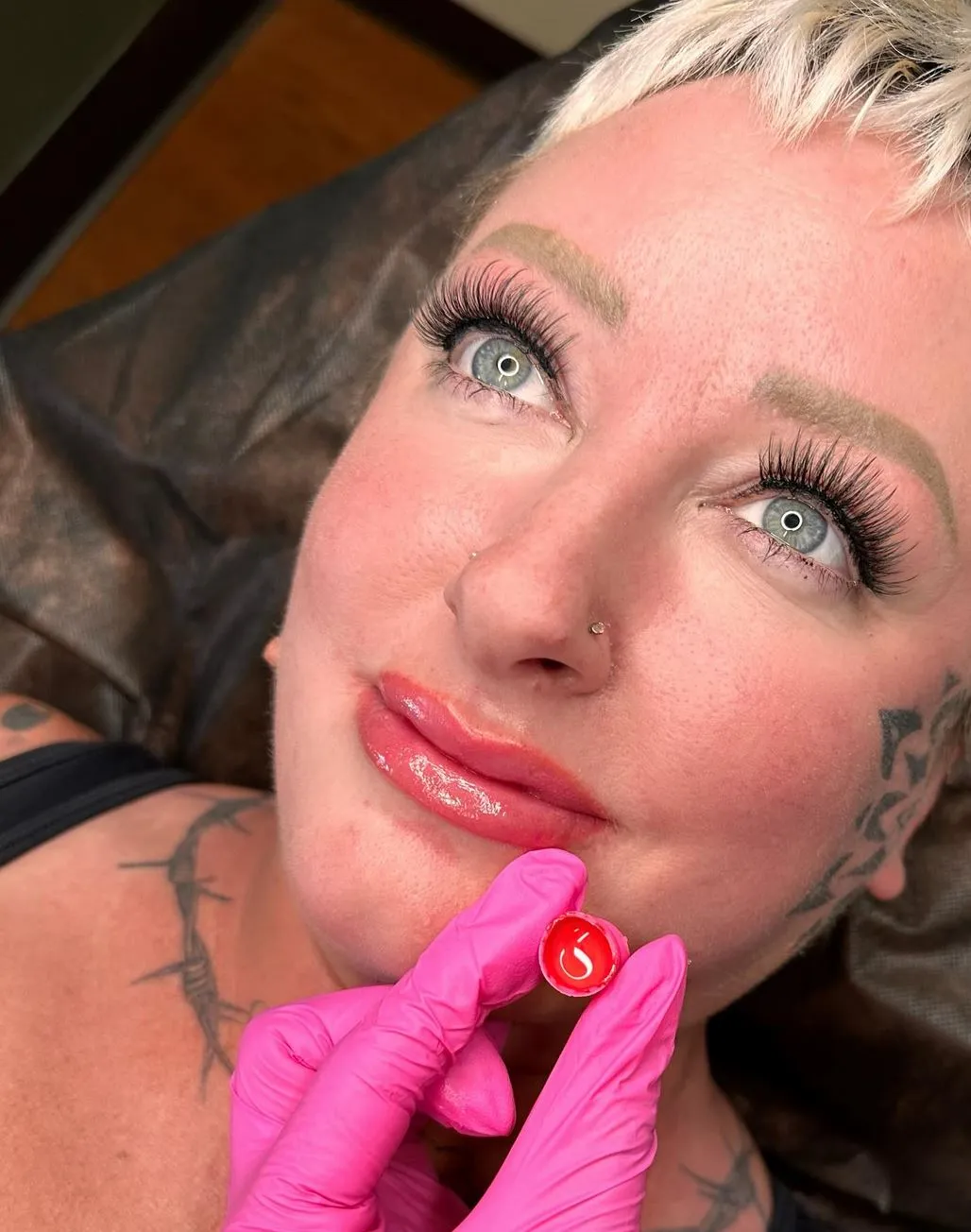
Your face is on show every single day. That’s why at Cosmetic Tattoo Studio Brisbane Face Figurati, we prefer permanent makeup pigments that age gracefully, not inks that scream for decades. Cosmetic pigments give us control over depth, saturation, undertones and colour theory so we can match your skin tone and desired look.
In Brisbane’s sunny climate, sun exposure speeds up fading, so softer pigments let us refresh your colour without building up heavy layers over time. This way, your eyebrow tattooing, lip blush or permanent eyeliner will look crisp and natural for years to come.
The Science of Pigment Fade
One of the biggest differences between cosmetic and tattoo inks is how they break down. Cosmetic pigments are designed to metabolise slowly through your body’s natural processes, aided by white blood cells and skin regeneration. That’s why touch-ups are part of long-term maintenance in cosmetic tattoo work.
Traditional tattoo inks are made with more robust pigments that resist fading for decades — but that means any mistakes or outdated shapes are harder to correct.
Why fading is actually a good thing for facial work:
- Allows for shape or colour adjustments as your face changes over time.
- Prevents that “floating ink” look as skin naturally sags or shifts (and avoids issues like dropping brows).
- Gives you flexibility to follow beauty trends without being stuck with a 2000s brow shape.
Safety Considerations: Skin, Allergies and Regulations
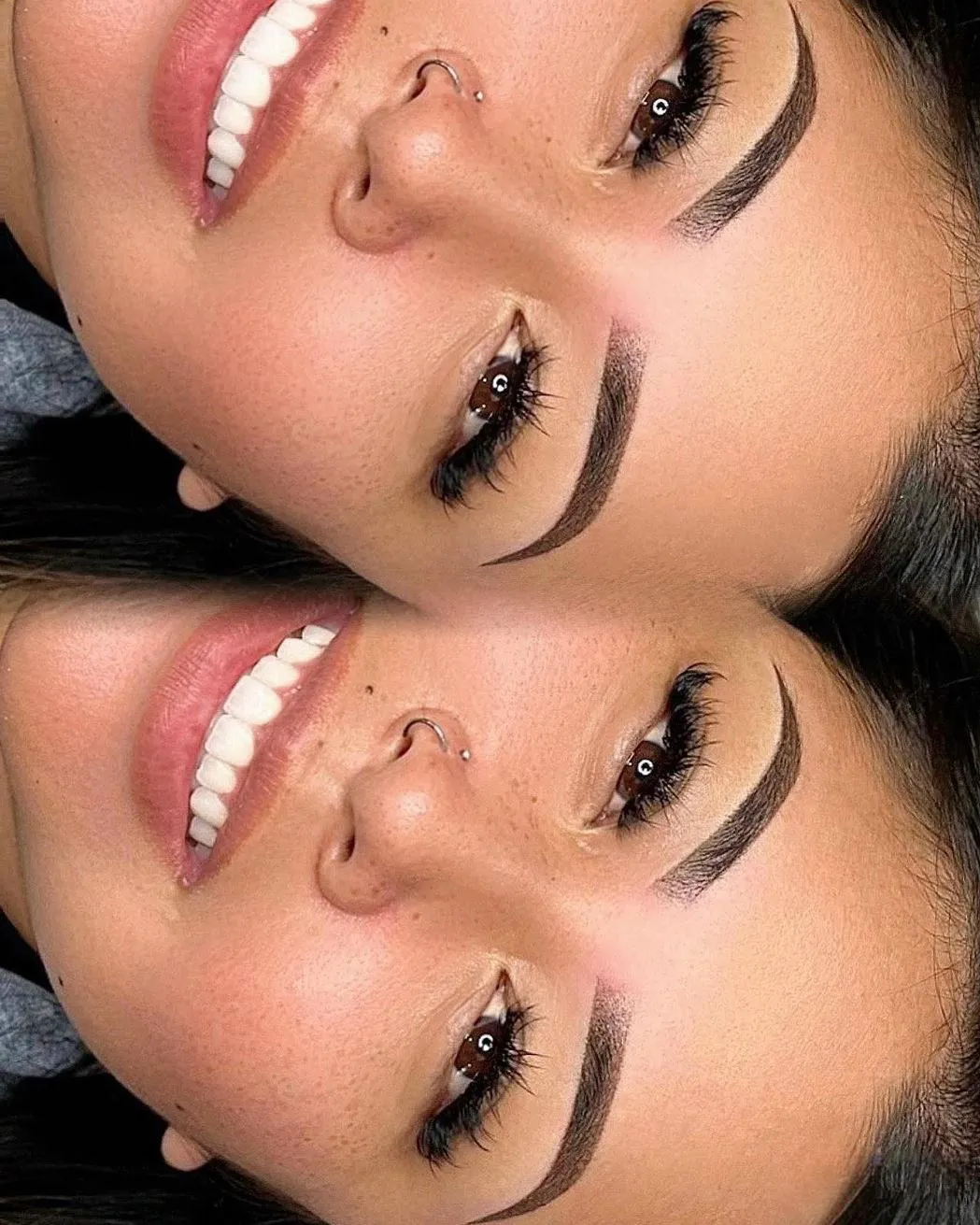
Working on the face requires a higher safety standard. Cosmetic pigments are tested for use around the eyes and mouth, and we only use brands that comply with Australian safety regulations and the Federal Food, Cosmetic Act.
What we check for:
- Heavy metal content (should be minimal or none).
- Stability under laser (important for future removal or lightning).
- Allergen potential (we patch test when needed).
In our studio we avoid pigments with high levels of titanium dioxide for brows as it can cause stubborn residue when fading. For lips, we select pigments with food-grade colourants for added safety.
How Your Artist’s Technique Plays a Role
Even the safest pigment can heal poorly if it’s placed incorrectly. Digital microblading, embroidery tattoo pens or motor tattoo machines for hair strokes all require skill and precision. Cosmetic tattooing sits in the upper dermis, so we get a softer look and gradual fade. Body tattoo inks are implanted deeper, which locks them in for life, but increases the risk of migration if used on delicate facial skin.
Over the years at Cosmetic Tattoo Studio Brisbane Face Figurati, we’ve corrected many brows and liners where traditional tattoo ink was used — often resulting in blue or green tones that require multiple sessions to fix.
Brisbane Lifestyle Factors That Affect Pigment Longevity
Living in Brisbane means more than just soaking up the sun — it also means protecting your investment in cosmetic tattooing. UV rays, humidity and even regular swimming can fade pigment.
To make your results last longer:
- Use SPF daily, especially on brows and lips.
- Avoid excessive chlorine in the first month.
- Book in for touch-ups every 18-24 months.
- Keep your skin healthy with hydrating products (and don’t take high-dose fish oil supplements during healing as they can thin the blood).
Correcting Old Work: Why Pigment Type Matters
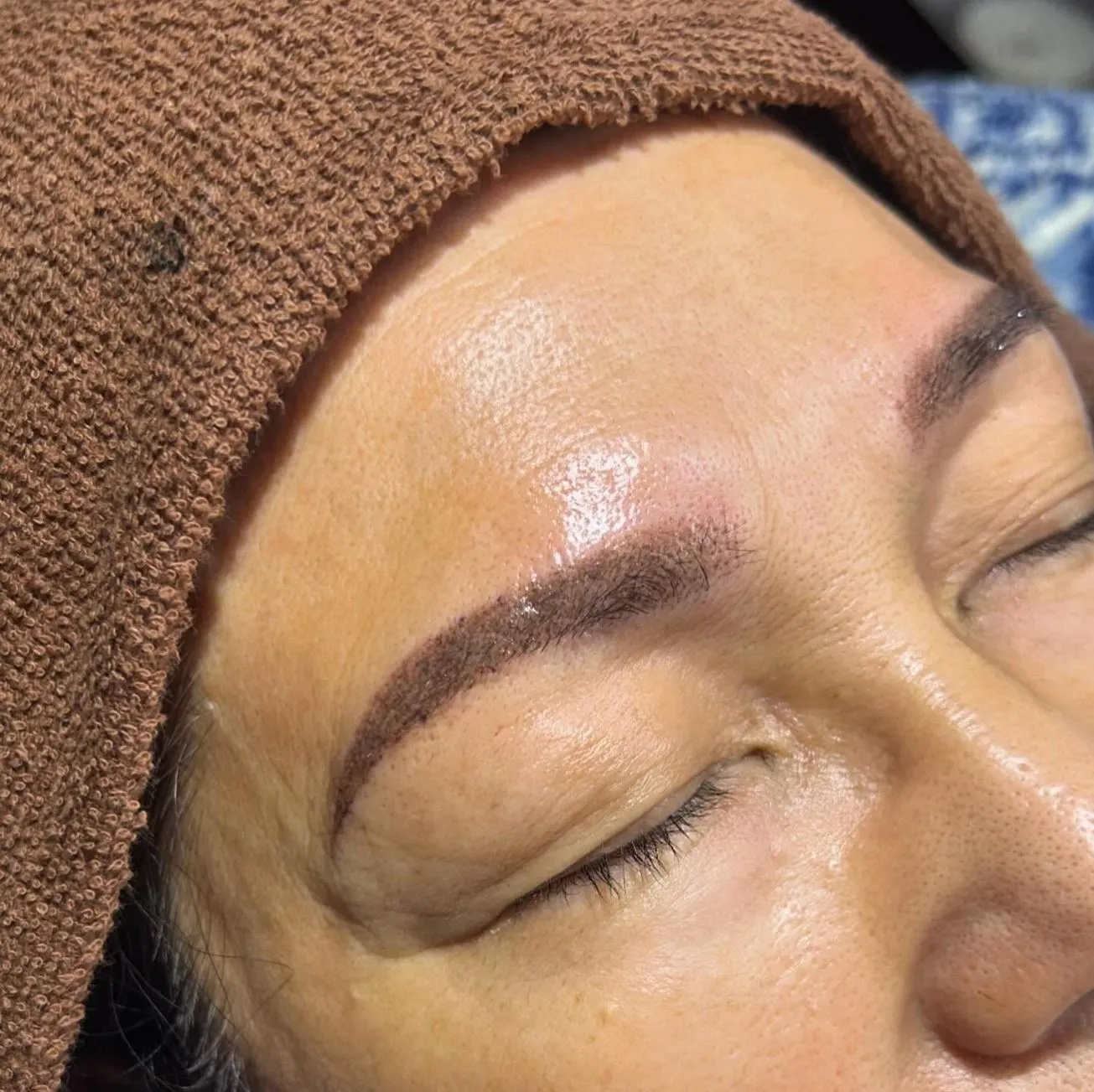
If you’re coming to Cosmetic Tattoo Studio Brisbane Face Figurati with previous work, knowing if tattoo pigments or cosmetic pigments were used changes everything. Cosmetic pigments are easier to colour correct or lighten. Traditional tattoo inks especially black or dark blue often need a laser before we can re-tattoo safely.
Real example: A client came in with old eyeliner done overseas with traditional tattoo ink and motor tattoo machines. The lines had migrated and the black had turned blue. We needed three laser sessions before we could apply new cosmetic pigment.
Tools of the Trade: Why Equipment Matters
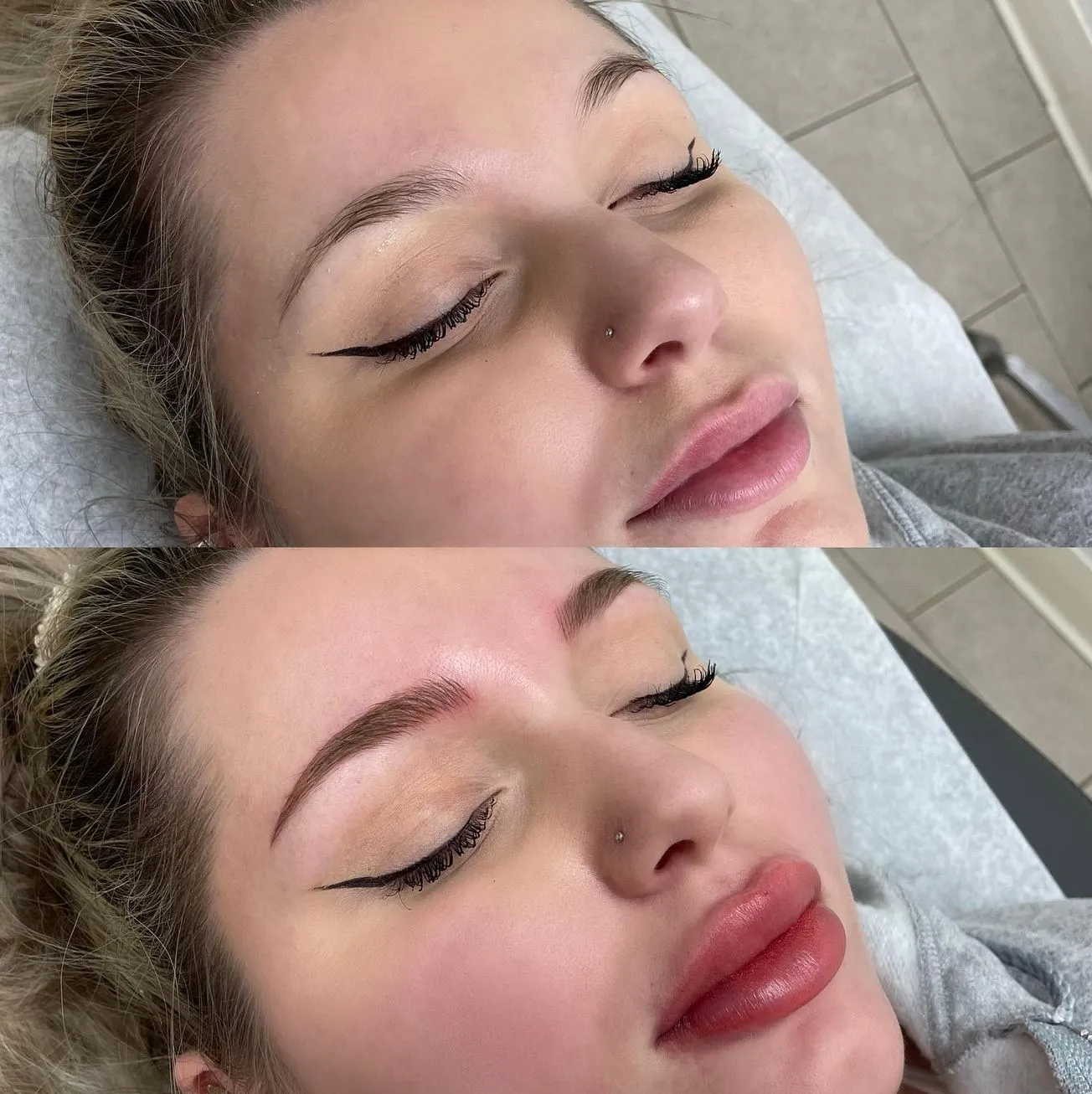
In PMU tattooing, precision tools like wireless tattoo pens, sterile needles and digital microblading devices allow for controlled depth and less trauma. In the broader tattoo industry, body tattoo artists use coil or rotary tattoo machines for maximum ink saturation.
At Cosmetic Tattoo Studio Brisbane Face Figurati, we use the right equipment — from sculpted studios to advanced CNC tattooed products — to give you a realistic result while protecting your skin’s long-term health.
Final Thoughts from Uliana & Anastasia
If you’re investing in your face, the choice between cosmetic tattoo inks and traditional tattoo inks isn’t just technical — it’s about safety, longevity and flexibility. At Cosmetic Tattoo Studio Brisbane Face Figurati, we only use cosmetic pigments because they allow us to give you results that age beautifully and can be adjusted over time.
If you’re not sure what was used in your previous workbook, join us. We’ll assess your skin, the pigment and your goals before we can recommend the safest way forward.
FAQ
Can I use tattoo ink for my brows or lips?
No — tattoo ink is too strong and permanent for the face and can cause harsh results and colour changes over time.
Why do my brows fade faster than my friend’s?
Skin type, sun exposure and pigment choice all play a role. Oily skin fades faster.
Are cosmetic pigments safe for sensitive skin?
Yes, when using high-quality, tested pigments. We can do a patch test if you have concerns.
Can cosmetic pigment be removed completely?
Yes, often easier than tattoo ink. Laser or saline removal works better on cosmetic pigments.
Will cosmetic pigments look as vibrant as tattoo ink?
They’re designed for a softer, more natural look, not the bold saturation of body art.